How does a potential customer in your neighbourhood find you?
In today’s digital braai, the answer is almost always online.
But with the Google web search engine dominating the scene, where does that leave Microsoft Bing search?
For South African SMEs, understanding the Bing vs Google landscape is crucial.
It’s not just about which platform is bigger; it’s about where your precious time and marketing Rand will make the most impact.
This guide cuts through the noise.
We’ll break down the local search engine stats and provide a clear, actionable plan to ensure your business gets found by the right people, whether they’re searching on the giant or the underdog.
Let’s lekker get your business the visibility it deserves.
The Lay of the Land: Understanding the Search Engine Battlefield in SA
For any South African SME looking to get noticed online, the first step is to understand the digital battlefield.
Knowing which search engines people use, and why, is crucial for spending your time and money wisely.
Let’s break down the key players in the local Bing vs Google showdown and what they mean for your business.

1. The Undisputed Champion: Google’s Market Dominance
In the world of search, the Google web search engine is the undisputed champion in South Africa. The numbers don’t lie.
- Market Share: Recent data shows that Google commands a massive 93% to 97% of the search engine market in South Africa.
- What This Means for You: Simply put, for every 100 people searching online for a business like yours, over 95 of them are using Google. If your SME is not visible on Google, you are missing out on almost the entire online market.
Why is Google So Dominant?
Several key factors have cemented Google’s lead:
- Mobile-First Nation: With Android phones being incredibly popular in South Africa, Google Search is built-in and ready to use for millions.
- The Power of Habit: For most people, “to Google” has become the default verb for searching online. It’s their first and only stop for answers.
- The Ecosystem: Google isn’t just a search bar; it’s an ecosystem including Gmail, Google Maps, and YouTube, all of which feed into and reinforce its search dominance.
3. The Niche Players: DuckDuckGo and Ecosia
Beyond the main Bing vs Google dynamic, there are smaller, specialised search engines that cater to specific values.
While they represent less than 1% of the market combined, their users are highly motivated.
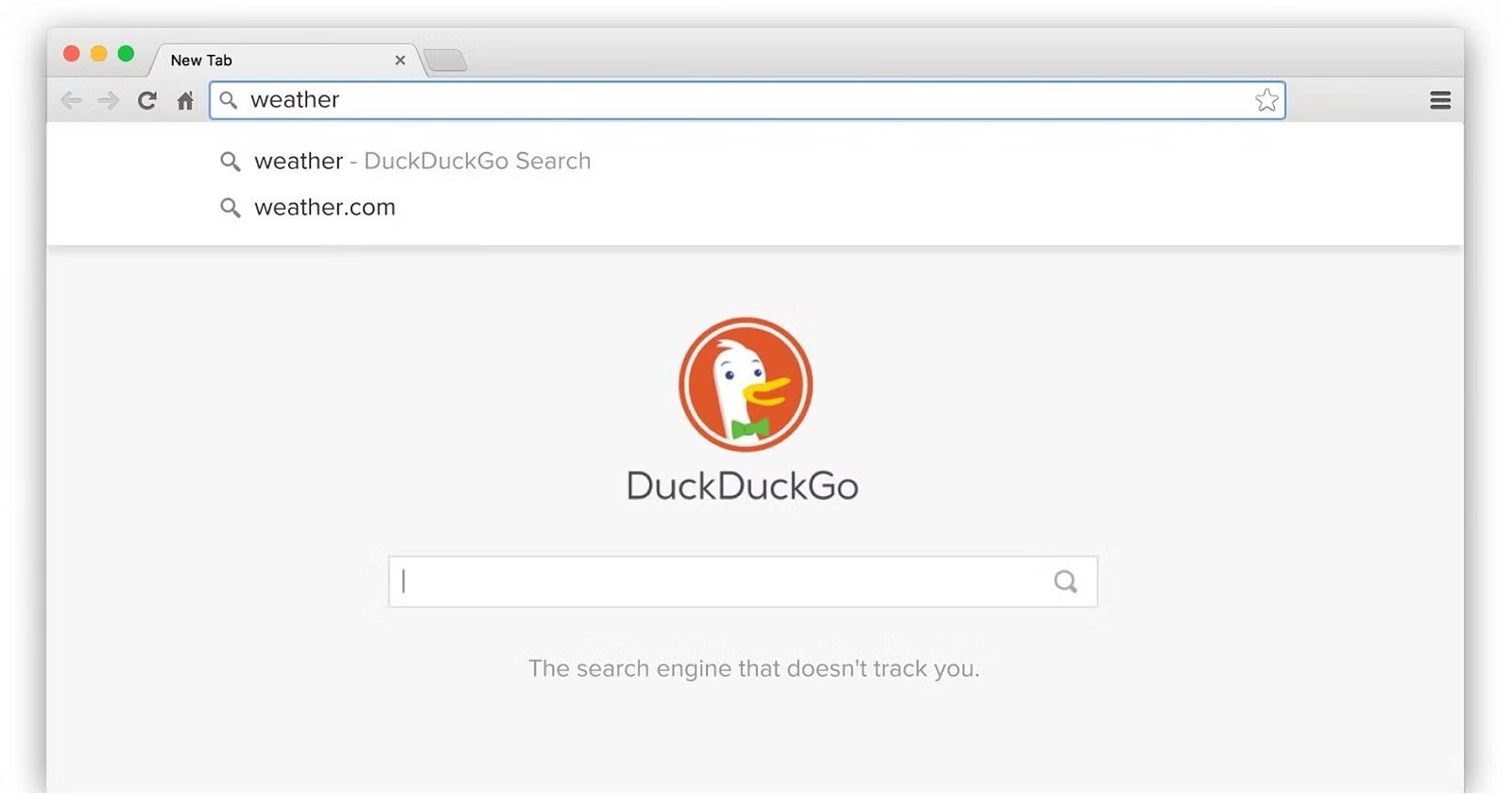
DuckDuckGo: The Privacy Advocate
Typical User Profile:
- Who They Are: Tech-savvy individuals, IT professionals, journalists, academics, and anyone highly concerned about data privacy.
- Core Motivation: Privacy. They explicitly choose DuckDuckGo to avoid the tracking, data collection, and personalised “filter bubbles” created by other search engines.
- Mindset: “I value my online anonymity and want unbiased results, even if they are slightly less convenient.”
Ecosia: The Eco-Conscious Citizen
Typical User Profile:
- Who They Are: Typically, younger demographics (Millennials, Gen Z), students, and environmentally driven consumers.
- Core Motivation: Sustainability. Ecosia uses its ad revenue to plant trees. For this user, searching is a simple form of environmental activism.
- Mindset: “My small actions can make a positive impact on the planet.”
The SME Takeaway on Niche Players:
For most South African SMEs, these platforms are not primary channels.
However, if your business specifically caters to a tech-literate, privacy-focused audience or has strong environmental credentials, having a presence here can build trust with that specific community.
The South African SME Strategy: Where to Focus Your Precious Resources
Now that you understand the digital landscape, it’s time to build a winning strategy.
For South African SMEs, resources like time, money, and manpower are often limited.
You can’t afford to waste effort on channels that won’t deliver a return.
That’s why a smart, targeted approach to the Bing vs Google question is essential.
The goal isn’t to pick one and ignore the other, but to allocate your resources strategically for maximum impact.
The 95/5 Rule: Your Blueprint for Search Success
The most effective approach for South African SMEs is what we call the 95/5 Rule.
This simple framework ensures you’re investing your energy where it counts.
95% of Your Effort on the Google Web Search Engine
This is your non-negotiable, primary focus.
Given its overwhelming market share, any investment in optimising your presence on the Google web search engine will yield the highest return.
This is where you will find nearly all of your potential customers.
5% of Your Effort on the Microsoft Bing Search Engine
This is your efficient, strategic side-bet.
The beauty of focusing on the Bing search engine is that it requires minimal additional work.
Once your foundation is solid on Google, claiming your spot on Bing is quick and straightforward, yet it allows you to capture a valuable, less competitive audience.
Why This Split Makes Perfect Sense for Your Business
This strategy isn’t arbitrary; it’s built on the realities of the market.
Google is Your Main Street
Think of the Google web search engine as the busiest high street in the country.
If you want your shop to be seen, this is where you need a prime location.
The bulk of your marketing budget and effort should go here because this is where the people are.
Bing is Your Speciality Arcade
The Microsoft Bing search platform is like a smaller, specialised arcade.
It might have less foot traffic, but the people who go there are often on a specific mission or have particular interests.
Securing a presence there requires a small investment but can lead to valuable, high-quality customers.
By following the 95/5 rule, you ensure that your South African SME is not missing out on the massive opportunity Google presents, while also efficiently tapping into the unique advantages of the Microsoft Bing search engine.
It’s a balanced, practical approach to winning the Bing vs Google game.
3. The Niche Players: DuckDuckGo and Ecosia
Beyond the main Bing vs Google dynamic, there are smaller, specialised search engines that cater to specific values.
While they represent less than 1% of the market combined, their users are highly motivated.
DuckDuckGo: The Privacy Advocate
Typical User Profile:
- Who They Are: Tech-savvy individuals, IT professionals, journalists, academics, and anyone highly concerned about data privacy.
- Core Motivation: Privacy. They explicitly choose DuckDuckGo to avoid the tracking, data collection, and personalised “filter bubbles” created by other search engines.
- Mindset: “I value my online anonymity and want unbiased results, even if they are slightly less convenient.”
Ecosia: The Eco-Conscious Citizen
Typical User Profile:
- Who They Are: Typically, younger demographics (Millennials, Gen Z), students, and environmentally driven consumers.
- Core Motivation: Sustainability. Ecosia uses its ad revenue to plant trees. For this user, searching is a simple form of environmental activism.
- Mindset: “My small actions can make a positive impact on the planet.”
The SME Takeaway on Niche Players:
For most South African SMEs, these platforms are not primary channels.
However, if your business specifically caters to a tech-literate, privacy-focused audience or has strong environmental credentials, having a presence here can build trust with that specific community.
The South African SME Strategy: Where to Focus Your Precious Resources
Now that you understand the digital landscape, it’s time to build a winning strategy.
For South African SMEs, resources like time, money, and manpower are often limited.
You can’t afford to waste effort on channels that won’t deliver a return.
That’s why a smart, targeted approach to the Bing vs Google question is essential.
The goal isn’t to pick one and ignore the other, but to allocate your resources strategically for maximum impact.
The 95/5 Rule: Your Blueprint for Search Success
The most effective approach for South African SMEs is what we call the 95/5 Rule.
This simple framework ensures you’re investing your energy where it counts.
95% of Your Effort on the Google Web Search Engine
This is your non-negotiable, primary focus.
Given its overwhelming market share, any investment in optimising your presence on the Google web search engine will yield the highest return.
This is where you will find nearly all of your potential customers.
5% of Your Effort on the Microsoft Bing Search Engine
This is your efficient, strategic side-bet.
The beauty of focusing on the Bing search engine is that it requires minimal additional work.
Once your foundation is solid on Google, claiming your spot on Bing is quick and straightforward, yet it allows you to capture a valuable, less competitive audience.
Why This Split Makes Perfect Sense for Your Business
This strategy isn’t arbitrary; it’s built on the realities of the market.
Google is Your Main Street
Think of the Google web search engine as the busiest high street in the country.
If you want your shop to be seen, this is where you need a prime location.
The bulk of your marketing budget and effort should go here because this is where the people are.
Bing is Your Speciality Arcade
The Microsoft Bing search platform is like a smaller, specialised arcade.
It might have less foot traffic, but the people who go there are often on a specific mission or have particular interests.
Securing a presence there requires a small investment but can lead to valuable, high-quality customers.
By following the 95/5 rule, you ensure that your South African SME is not missing out on the massive opportunity Google presents, while also efficiently tapping into the unique advantages of the Microsoft Bing search engine.
It’s a balanced, practical approach to winning the Bing vs Google game.
Your Action Plan: How to Dominate Google Search Results
It’s time to roll up your sleeves.
With the Google web search engine being the primary battlefield for South African SMEs, your success hinges on a well-executed plan.
This isn’t about complex tricks; it’s about mastering the fundamentals that Google rewards.
The following steps will give you a clear, actionable roadmap to significantly improve your visibility and ensure your business gets found by the right customers.
Priority #1: Master Your Google Business Profile – Your Digital Storefront
For any local business, this is the single most important thing you can do.
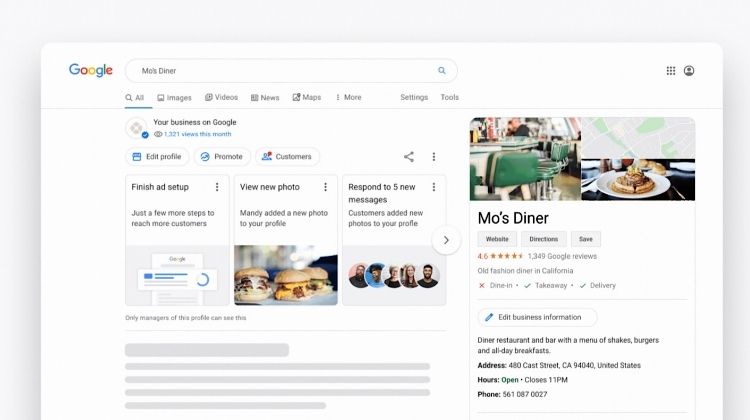
Your Google Business Profile (GBP) is the listing that appears in Google Search and Maps when people look for your business or services in their area.
For South African SMEs, this is your digital storefront, and optimising it is completely free.
Your GBP Action Checklist:
1. Claim and Verify Your Profile
If you haven’t already, go to google.com/business and claim your listing.
You’ll need to verify you are the business owner, usually via a postcard sent to your physical address.
2. Complete Every Single Field with Precision
- NAP Consistency: Your business Name, Address, and Phone number must be 100% consistent across the entire web.
- Accurate Categories: Choose the most specific categories available. Instead of just “Restaurant,” select “Italian Restaurant” or “Steakhouse.” This tells Google exactly what you are.
- Operating Hours: Keep these meticulously updated, including for public holidays.
- Description: Write a clear, keyword-rich description of what you do and where you do it. Mention your city and key services (e.g., “We are a family-owned bakery in Pretoria, specialising in fresh sourdough and wedding cakes.”).
3. Show, Don’t Just Tell with Photos
Upload high-quality photos of your storefront, your team, your products, and your work.
A picture is worth a thousand words and helps potential customers feel familiar with your business before they even visit.
4. Actively Manage Customer Reviews
- Encourage Reviews: Politely ask satisfied customers to leave a review on your Google profile.
- Respond to All Reviews: Thank customers for positive reviews and respond professionally and empathetically to any negative feedback. This shows you value customer engagement.
Priority #2: Optimise Your Website for Google (On-Page SEO)
Your website is your online headquarters.
For the Google web search engine to understand it and rank it highly, you need to speak its language.
This is known as On-Page SEO.
Your Website Optimisation Checklist
1. Conduct Basic Keyword Research
Think like your customer.
What words would they type into the Google web search engine to find you?
These are your keywords.
Examples include “plumber in Cape Town,” “affordable web design South Africa,” or “best coffee roastery Johannesburg.”
2. Craft Compelling Page Titles & Meta Descriptions
- Page Title: This is the blue clickable link in search results. Every page should have a unique title tag that includes your primary keyword and your business name (e.g., “Affordable Plumbing Services Johannesburg | [Your Business Name]”).
- Meta Description: This is the short paragraph beneath the title. It should summarise the page’s content and entice users to click. While not a direct ranking factor, a good description improves your click-through rate.
3. Structure Your Content with Headers
Use Header tags (H1, H2, H3) to break up your text.
Your main page title should be an H1, and subsections should be H2s.
This helps both users and Google easily understand your content’s structure.
4. Create Quality, Helpful Content
Google prioritises websites that provide value.
For South African SMEs, this could be a blog post answering common customer questions (“How to Maintain Your Geyser in Winter”), a detailed service page explaining your process, or a gallery of your past work.
This positions you as an authority in your field.

Priority #3: Build Your Local Authority and Trust
Google wants to recommend businesses that are legitimate and well-regarded in their community.
Building local authority signals to the Google web search engine that you are a trusted entity.
Your Local Authority Checklist
1. Build Local Citations
A citation is any online mention of your business’s NAP (Name, Address, Phone Number).
Ensure your details are consistent on key South African directories like The Grid (HelloPeter), your local Chamber of Commerce website, and any industry-specific directories.
2. Earn Local Backlinks
A backlink is when another website links to yours.
This is a powerful vote of confidence.
Try to get mentions and links from local news sites, community blogs, or business associations.
You could sponsor a local school event or get featured in a local news story.
Priority #4: The Technical Foundations: Don’t Get Left Behind
A beautiful website is useless if Google can’t access it properly or if users get frustrated.
Your Technical Foundation Checklist
1. Mobile-First is Non-Negotiable
Over 60% of web traffic in South Africa is mobile.
Your website must load quickly and look perfect on a smartphone.
Test it regularly.
2. Security is a Must (SSL Certificate)
Ensure your website has “https://” in the address bar (often indicated by a padlock icon).
This encrypts data and is a basic ranking signal for the Google web search engine.
3. Use Google Search Console

This is a free tool offered by Google.
It is your direct line of communication.
It allows you to submit your sitemap (a file that lists all your website’s pages), see which keywords you are appearing for, and identify any technical issues that might be hurting your rankings.
By systematically working through this action plan, you are building a solid, sustainable foundation for visibility on the Google web search engine.
This focused effort will put your South African SME in the best possible position to attract local customers and grow your business.
The Efficient 5%: Securing Your Presence on Bing
Remember the 95/5 rule?
This is where that smart 5% of your effort comes into play.
Optimising for the Microsoft Bing search engine is not about starting from scratch.
The excellent news for busy South African SMEs is that the work you’ve done for Google gives you a huge head start.
Securing your visibility on the Bing search engine is a quick, efficient process that can yield valuable returns by connecting you with its unique user base.
Step 1: Claim Your Bing Places for Business Listing
Just like with Google, Bing has its own local business listing platform.
This is your absolute first step for dominating the Bing vs Google game in your favour by covering all bases.
- Go to the Source: Visit bingplaces.com and create a free account.
- The Magic Button: Import from Google. The platform allows you to import your business information directly from your already-optimised Google Business Profile. This single step saves you hours of data entry and ensures consistency.
- Verify and Tweak: Complete the verification process (similar to Google’s) and then review all the imported details. Ensure everything is accurate and complete.
Step 2: Leverage Bing Webmaster Tools
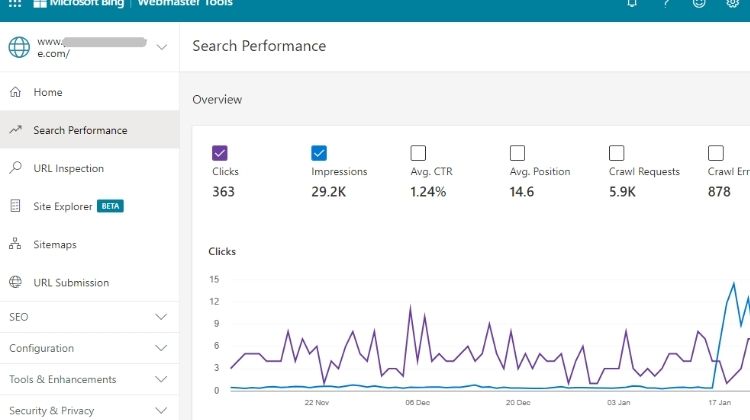
Bing Webmaster Tools is the Microsoft Bing equivalent of Google Search Console.
It’s your window into how Bing sees your website.
- Submit Your Website: Add and verify your website in Bing Webmaster Tools. This is a straightforward process.
- Submit Your Sitemap: Just as you did with Google, submit your website’s sitemap here. This acts as a roadmap, telling the Bing search engine exactly which pages to index and how your site is structured, helping you get found faster.
Why This Minimal Effort is Worth It?
For South African SMEs, this small time investment is strategically sound.
The Microsoft Bing audience, while smaller, includes corporate decision-makers and incentive-driven shoppers who are valuable to reach.
Because competition is lower on the Bing search engine, your business has a much higher chance of appearing at the very top of search results for your key services, giving you a notable edge in a specific segment of the market.
By completing these two simple steps, you ensure your business is visible across the entire search landscape, capturing every possible opportunity.
Conclusion
Navigating the Bing vs Google landscape is no longer a mystery.
For South African SMEs, the path is clear: dedicate the majority of your effort to mastering the Google web search engine, while efficiently securing your presence on the Microsoft Bing search platform.
This balanced strategy ensures you capture the massive mainstream audience while also tapping into a valuable, niche market.
Remember, your journey begins with one crucial step: claiming and optimising your Google Business Profile.
This single action is the most powerful and cost-effective marketing move you can make today.
Don’t let the digital door to your customers remain closed.
By implementing this straightforward plan, you will ensure your business is found by the people who are already searching for you, paving the way for sustainable growth and success in the South African market.